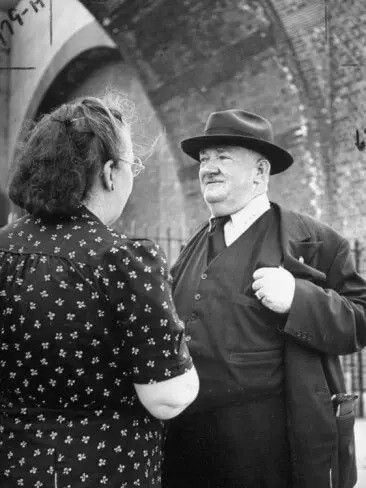
Pete McGuinness left an indelible mark on the neighborhood he loved.
GEOFFREY COBB | gcobb91839@Aol.com
Author, “Greenpoint Brooklyn’s Forgotten Past
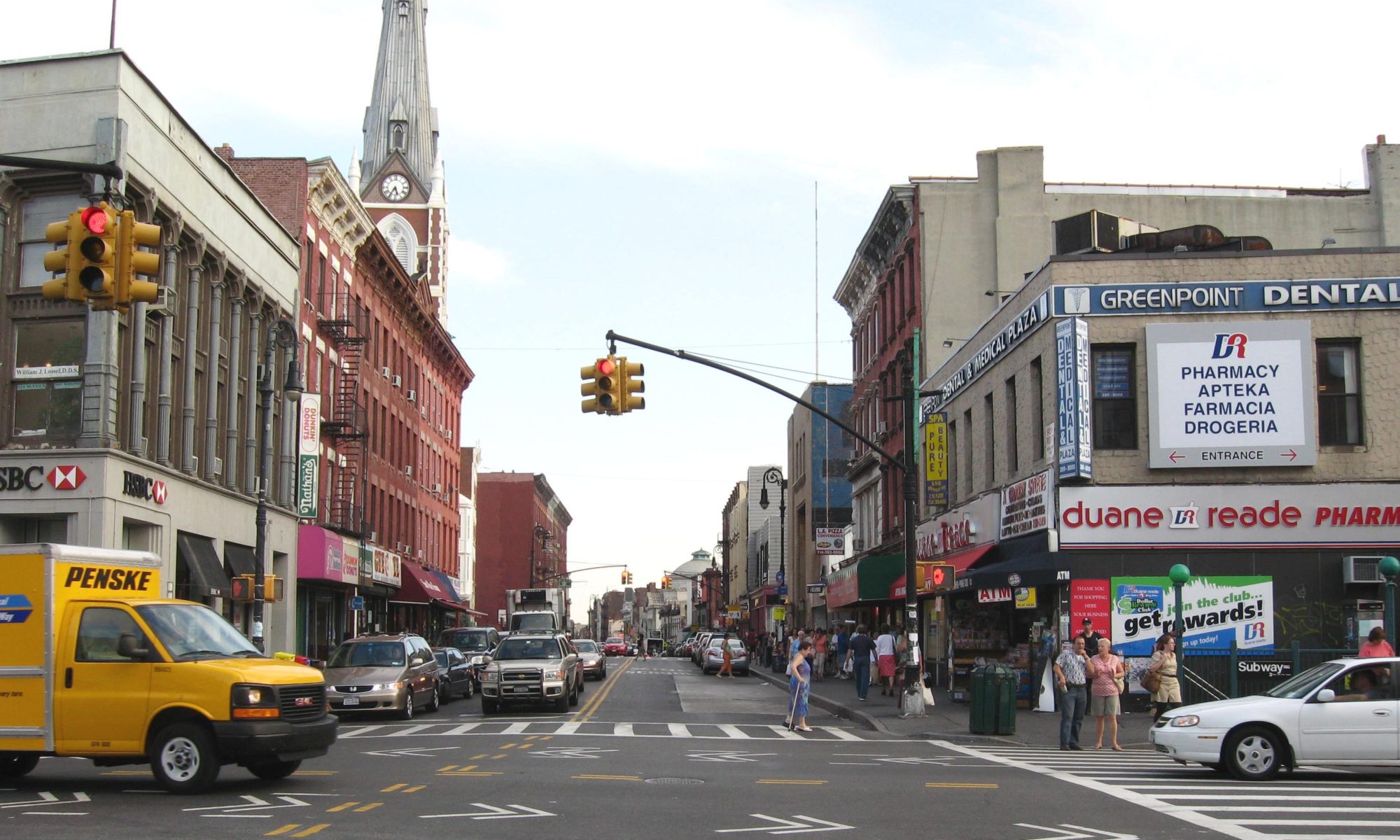
Greenpoint, Brooklyn today is an area of luxury high-rise waterfront properties, pricey, Michelin star restaurants and chic boutiques. Its residents are increasingly Ivy League graduates who live an affluent lifestyle, but not long ago, Greenpoint was the heart of industrial, working-class Brooklyn, an area of blue-collar factory workers and longshoremen, and no one personified working class Greenpoint more than its Irish American political boss Peter J. McGuinness.
A born and raised Greenpointer and former longshoremen, McGuinness represented Greenpoint on the City Council and then ran the area’s political machine from the end of the First World War until his death in 1948, as the last Tammany Hall style ward boss in the Borough’s history. People often said that McGuinness so embodied Greenpoint that it was hard to think of the one without immediately thinking of the other.
On Wednesday, February 25th, I will speak about McGuinness’ local legacy at the Oak and Iron Bar Local History Night, a forum where locals make presentations on aspects of North Brooklyn history. I have presented at the packed bar before and the atmosphere is great because we Greenpointers are really passionate about our community and its long, rich history.
I have written three books on Greenpoint history including, The King of Greenpoint Peter McGuinness: The Amazing Story of Greenpoint’s Most Colorful Character, which I published ten years ago. Though Greenpoint has over three hundred and fifty years of history, no character was as colorful as McGuinness and arguably no one left a greater legacy than Pete whose enduring contributions include playgrounds, the G Train stops, a bridge and the McCarren Park pool, just to name a few.
McGuinness, like the people he represented, grew up facing adversity and working hard. One of eleven children, Pete left school after eighth grade to work in the area’s lumberyards. An amateur boxer and a longshoreman, McGuinness was a powerhouse standing about six feet tall with a barrel chest, huge back and bulging biceps. Though he was a gentleman, he was well able to settle disputes with his fists. Once when six men tried to force him to accept a shipment of rotten lumber, a fistfight ensued, six-on-one. McGuinness knocked three of his opponents out and then lectured the remaining three on business ethics.
Nowadays, American politics is characterized by divisiveness, name calling and acrimony, but McGuinness, a Democrat, displayed a lifelong ability to work with Socialists and Republicans. He defied the Democratic Party and supported his childhood friend Republican John McCrate when he ran for the area’s congressional seat. When Fiorello LaGuardia defeated the Democratic candidate for mayor, McGuinness graciously stated, “The Little Flower is a most splendid gentleman. Under him, we know the poor people of this city will be looked after, irregardless of what may befall. What he done, he done honest and he done good.”
B. Charney Vladeck, a Socialist alderman from the Lower East Side and an enemy of corrupt Democrats was one of McGuinness warmest admirers. “That Irisher!” Vladeck used to say: “Sometimes he makes me wish I was a Democrat.” McGuinness won Vladeck’s friendship by giving Democratic sponsorship to a number of Socialist resolutions. “Many’s the time,” he said, “I used to say, Cheeny, old pal, if you got something you really want to get through this here board, give it to me, and I’ll make it Irish for you. I figured what the hell, if something was good enough for Cheeny, it was good enough for the other aldermen.”
McGuinness had a legendary sense of humor and there are a number of famous yarns about Pete. One of the funniest relates to Governor Franklin Roosevelt’s 1932 visit to Greenpoint as part of his presidential campaign. McGuinness and the future president were touring the area in an open car, and huge crowds lined the streets to greet them. Roosevelt saw Jewish businesses, Polish children dressed in traditional costumes and Italian Americans, but few Irish Americans. Roosevelt inquired about the absence of the Irish and McGuinness somberly told him that most of the area’s Irish were now dead and buried in Calvary Cemetery. A tense silence ensued and Roosevelt thought he said the wrong thing, but suddenly in a loud voice McGuinness retorted, “But don’t you worry Governor Roosevelt, those dead Irish will still turn out for you on election day.”
Though McGuinness had passed away some thirteen years previously, he was still so beloved that when Oakland Street was widened and made into a boulevard, both local Democrats and Republicans agreed it should be named in honor of its legendary political leader. Come out on Wednesday February 25th to hear more about this local legend.