By Geoffrey Cobb
Author, “Greenpoint Brooklyn’s Forgotten Past”
Right after Thanksgiving in Greenpoint and Williamsburg every year, the sidewalks are suddenly transformed. Hundreds of cut Christmas trees magically appear, just like mushrooms in a forest after a heavy rain. Though the trees are plentiful, they are not cheap. Tiny trees will run you $50, while a premium tree can cost up to $300! Even though the prices are high, we always buy a tree and drag it home. Decorating the tree brings back happy memories of childhood long ago and the scent that fills the house is heavenly. Please don’t remind me about the pain of cleaning the ubiquitous needles and dragging the tree out of the house at the end of the holiday!
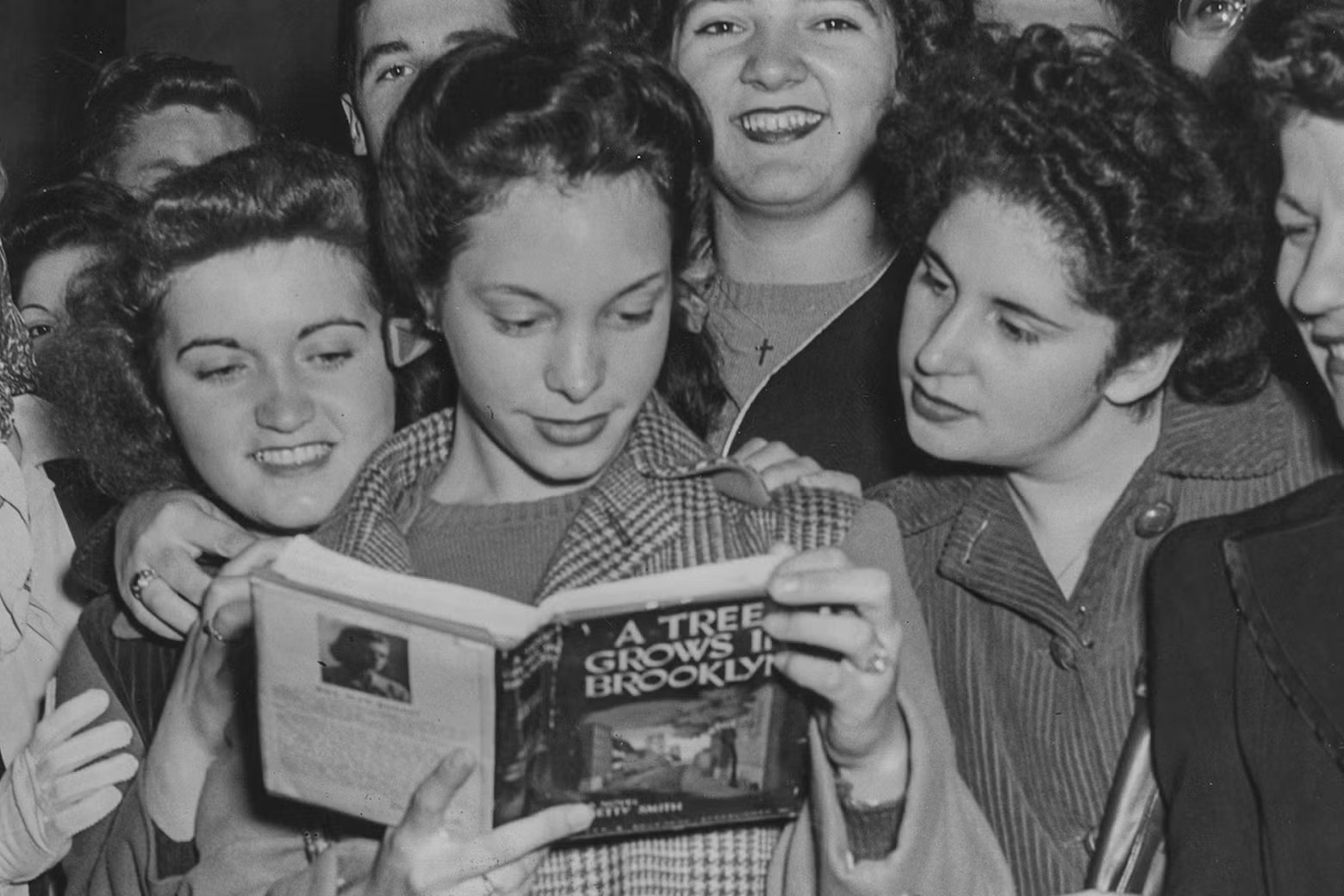
Seeing the trees for sale waiting on snowy local sidewalks reminds me of one of the most touching chapters in the best book ever written about Brooklyn, the 1943 classic, A Tree Grows in Brooklyn. The novel is a coming-of-age story of a young local girl, Francie Nolan who grows up in the poverty of Williamsburg tenements in 1912. The novel was a huge success, and it transformed its author Betty Smith into a famous author overnight. Twentieth Century Fox acquired the rights to the book and two years later it became a box office hit that won a special Oscar award.
Smith’s chapter about Christmas in our area long ago is one of the most poignant. Francie, the protagonist and narrator, paints a vivid picture of how the struggling local population experienced Christmas long ago. Christmas trees, sadly, were a luxury many could not afford. Ten-year-old Francie excitedly tells her readers, “Christmas was a charmed time in Brooklyn.” Though they were a charmed time for local children, they were also times of great cruelty as one local ritual the narrator vividly describes proves.
Over a century ago, local sidewalks were also transformed by a salesman hawking Christmas trees. Smith tells us that spruce trees began coming into the neighborhood a week before Christmas. She relates in her novel, “There was a cruel custom in the neighborhood. It was about the trees still unsold at midnight of Christmas eve. There was a saying that if you waited until then you wouldn’t have to buy a tree, that they’d chuck ’em at you.” This was literally true.
The kids in the area gathered where there were unsold trees. The man threw each tree in turn, starting with the biggest. Kids volunteered to stand up against the biggest. If a boy did not fall under the impact of the tree, it was his.
The impoverished protagonist, Francie, age ten, and her brother Neely, age nine, volunteered to catch a tree, the biggest in the neighborhood at ten feet. The tree was so large and so expensive that it remained unsold in this area of poor people. Tiny Francie and her brother stepped up to catch the huge tree, much to the delight of the snickering residents who had gathered to watch and enjoy the cruel spectacle. The tree seller admired the bravery of the little duo and thought about just giving them the tree, but rationalized that if he gave them the tree, it would encourage people the following year to wait until midnight and not buy the trees, hurting his business. The tree salesman finally hurled the ten-foot spruce at the tiny pair and though their legs quivered, they did not buckle under the weight of the tree, and it was theirs, though being hit with the heavy spruce had left them both bruised and bloodied.
The tree salesman finished the cruel ritual by telling the battered kids,” And now get the hell out of here with your tree you lousy bastards.”
The children then eagerly dragged the large tree back to their apartment to decorate it. The readers share in the Christmas joy of the poor children who have paid such a steep price for this symbol of Christmas. The scene re-enforces the theme of the book that poverty was hard in Williamsburg, but it made the kids who suffered through it even harder.
Thankfully, over a century later our area is far richer. Thousands of locals can afford even high-priced trees, and no child is reduced to the bloody spectacle of catching an unsold Christmas tree, a fact that we can all celebrate this Christmas season.